
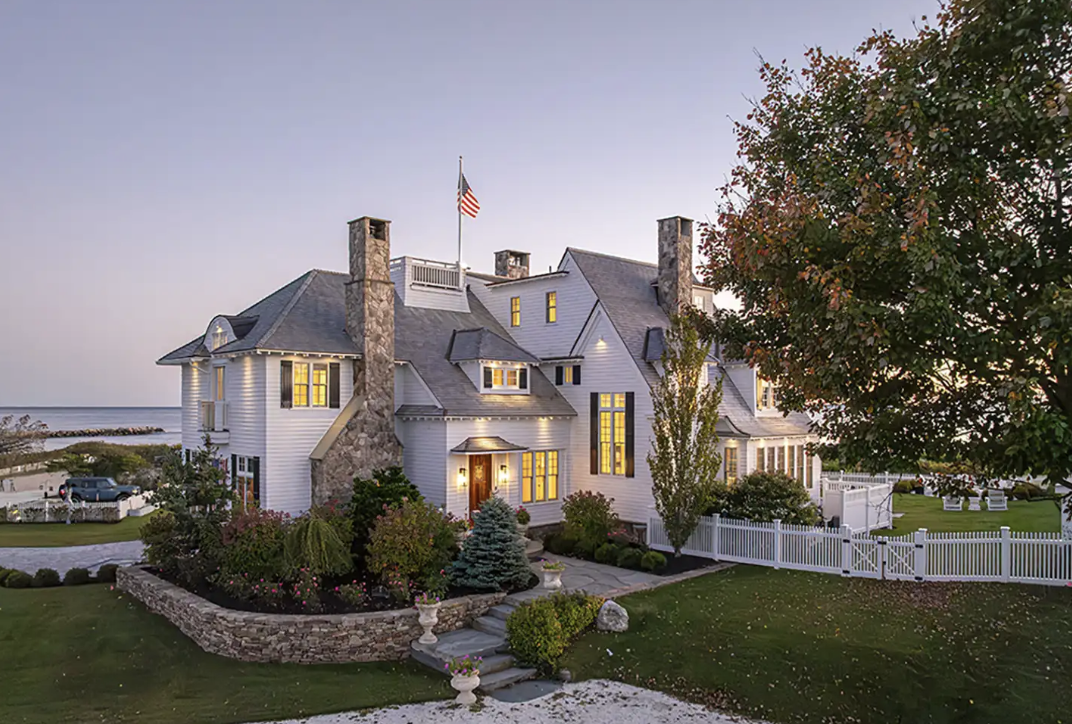
Buying a Second Home In Southern Maine
If you are looking to buy a second home in Kennebunk, Kennebunkport, Wells, Ogunquit, or surrounding areas, read this first.
Buying a Second Home in Maine: What to Know Before You Buy
For a lot of people, buying a second home in Maine starts as a lifestyle decision.
It's having a place where you can spend summers with your kids. A house you can escape to for long weekends. Morning walks to the beach. Lobster dinners outside. Fall weekends in Kennebunkport. A place where friends and family can gather, and maybe, eventually, a home where you spend much more of your time.
But a second home is also a significant financial decision.
And the best second home isn't necessarily the prettiest house you see online.
It's the property that fits how you actually want to live, how often you'll use it, what you can comfortably afford and what you ultimately want the property to do for you.
If you're thinking about buying a second home in Southern Maine, here are some of the things I think you should consider before you start your search.
Start With the Lifestyle, Not the House
Before we talk about bedrooms, bathrooms or square footage, I want to know:
What do you picture yourself doing when you're here?
Do you want to walk to the beach every morning?
Do you picture your kids riding bikes to get ice cream?
Would you rather be able to walk into Dock Square for dinner?
Do you want to wake up overlooking the water in Cape Porpoise?
Would you prefer several acres and privacy if it means driving 10 or 15 minutes to the coast?
Do you want to use the property exclusively yourself—or would you like the option of renting it when you're not here?
Those answers can completely change where we look. The goal isn't simply to own a house in Maine.
It's to own the right Maine house for the life you're trying to create.
Where Should You Buy a Second Home in Southern Maine?
Southern Maine isn't one real estate market. Even within individual towns, different neighborhoods offer completely different experiences.
Kennebunk
Kennebunk can be particularly appealing for second-home buyers who want both beach access and a strong year-round community.
Near Gooch's Beach and Mother's Beach, you're buying into the traditional Maine beach lifestyle. In Lower Village, you may be able to walk into Dock Square while still being close to Kennebunk's beaches.
For buyers who want to eventually spend more time in Maine or potentially make the property their primary home someday, Kennebunk can offer an attractive balance between vacation and everyday living. Great Beaches, Great Town, Great Community!
Kennebunkport
Kennebunkport gives second-home buyers several very different choices.
Goose Rocks Beach is for the buyer who pictures summers revolving around the beach.
Cape Porpoise offers a quieter harbor environment with lobster boats, islands and a distinctly Maine feel.
Dock Square and downtown Kennebunkport offer restaurants, shopping, marinas and walkability.
And there are beautiful residential pockets outside those areas for buyers who want access to everything without necessarily being in the middle of it.
The right choice depends less on which area is "best" and more on what you want your weekends and summers to look like.
Wells
Wells offers a particularly broad range of second-home possibilities.
You have distinctive beach communities including Drakes Island, Wells Beach and Moody Beach, along with condominiums, cottages and residential properties farther from the immediate coastline.
For buyers who want a beach-oriented second home but are open to different property types and locations, Wells can give us a lot to explore.
Ogunquit
Ogunquit is hard to beat if your dream is to arrive in Maine, park your car and barely use it again until you leave.
Depending on the property, you may be able to walk to Ogunquit Beach, downtown, restaurants, Marginal Way and Perkins Cove.
That walkability can make a smaller home or condominium incredibly enjoyable as a second home.
The tradeoff is that Ogunquit is an extremely popular summer destination, so you'll want to be comfortable with the activity that comes with living in a vacation town during peak season.
York
York offers everything from classic beach properties around Long Sands and Short Sands to the quieter atmosphere of York Harbor, Cape Neddick and residential areas farther inland.
Its location can also be particularly appealing for buyers coming from Massachusetts and New Hampshire who want to minimize their drive while still having a true Maine getaway.
Biddeford
For second-home buyers, Biddeford Pool and Fortunes Rocks Beach offer a completely different side of Biddeford: quiet, coastal, and incredibly beautiful. Biddeford Pool has a classic Maine village feel with historic homes, rocky coastline, beaches, and views toward Wood Island Light, while nearby Fortunes Rocks Beach offers roughly two miles of sandy beach and is especially popular for walking and surfing.
I especially like this area for buyers who want a true beach-house lifestyle without being in the middle of a busy resort town. As with any coastal property, exact beach access, flood exposure, insurance, parking, and year-round usability are important things to consider.
Arundel
Don't overlook Arundel simply because it doesn't have an oceanfront.
For buyers who love Kennebunk and Kennebunkport but don't need to walk out the door onto the beach, Arundel can offer more land, more privacy and potentially more house while keeping the coast close by.
This can be especially appealing if your second-home vision involves a pool, larger yard, garage, space for guests or simply somewhere everyone can spread out.
How Close to the Beach Do You Really Need to Be?
This is one of the biggest financial decisions a second-home buyer can make. Being oceanfront is incredible, but you're going to pay for it. You may also encounter additional considerations involving insurance, flood exposure, salt air, storms and maintenance. When you move several streets away, the economics may change. Move ten minutes inland and they can change dramatically.
So instead of automatically saying, "I want to be on the beach," I like to determine what you're actually trying to achieve.
Would you be just as happy being able to walk five minutes to the beach?
Would you trade ocean frontage for a larger house with a pool?
Would you rather have a small cottage near Dock Square where you can walk everywhere?
Would you prefer a beautiful house on several acres if you could still drive to the beach in 12 minutes?
Sometimes buyers discover that what they actually want isn't oceanfront. It's easy access to the ocean.
That's an important distinction, and potentially a very expensive one. Each town has different beach parking and beach rules, so knowing this before you start looking can be very helpful.
Think About How Often You'll Actually Use the House
It's easy to imagine being in Maine every weekend. Then real life happens! Kids have sports, there are weddings and graduations, work gets busy, the drive feels different on a Friday afternoon in July.
Before buying, think realistically about how often you'll use the property. If you're coming from Boston and plan to be here constantly, highway access may matter more than you initially think. If you'll primarily spend entire summers here, being right at the beach might be worth paying a premium.
If you'll visit throughout the year, you'll want a house that's truly comfortable in January—not simply fantastic in July.
And if you're flying in from farther away, proximity to Portland International Jetport may become part of the equation.
What Should You Look for in a Maine Second Home?
A second home has some considerations that your primary residence may not.
Low-Maintenance vs. High-Maintenance
How much work do you want when you arrive?
A large historic home near the ocean may be beautiful, but it's still a large historic home near the ocean that may need additional upkeep and expenses.
A condominium may give you less privacy but allow you to lock the door when you leave without worrying about landscaping, snow removal or exterior maintenance.
Neither is better.
They simply create very different ownership experiences.
Enough Space for Guests
Second homes have a funny way of attracting visitors. Think about who is likely to stay with you.
Children?
Grandchildren?
Friends?
Two families at once?
A bunk room, finished basement or extra bathroom may matter more in a second home than it would in your primary residence.
Outdoor Living
For a Southern Maine summer home, I place a lot of value on outdoor space. A porch, deck, patio, fire pit, yard, outdoor shower or pool can dramatically change how your family uses the property.
You aren't coming to Maine to sit inside all summer!
Air Conditioning
Yes, you're in Maine. But, there can be some really hot summer days and you may want air conditioning. This is not a deal breaker for me as heat pumps and mini-splits are increasingly common, easy to add, and can provide both heating and cooling. A temporary floor unit just in the bedrooms can also be all you really need.
Storage
Think beyond closets. Where are you putting bikes, kayaks, paddleboards, beach chairs, surfboards, golf clubs and all the other things that seem to accumulate at a Maine Summer home?
Year-Round Systems
If you're planning to visit throughout the year, make sure the property is truly suited for it. Heating, insulation, generators, road access and snow removal suddenly become much more important when you're planning a February weekend.
How Do You Finance a Second Home?
One of the first conversations I recommend having is with a lender who understands second-home financing. Second homes and investment properties are not necessarily financed the same way.
Under current Fannie Mae guidelines, a qualifying second home must be a one-unit property suitable for year-round occupancy, be occupied by the borrower for part of the year and remain under the borrower's control. A property can potentially generate rental income and still qualify as a second home under those guidelines, but that income generally cannot be used to qualify for the mortgage, and other requirements apply.
That means how you intend to use the property matters when determining how it should be financed.
Buyers may also consider using equity from their primary residence, portfolio lending or other financing strategies depending on their circumstances.
I recommend having this conversation before seriously shopping so we know exactly what financing structure you're working with. Reach out for recommendations on my trusted local Lenders
Can You Rent Your Second Home When You're Not Using It?
Potentially. And this is where owning a second home in Southern Maine can become particularly interesting. Maybe your family uses the house for several weeks each summer but you're willing to rent it during other high-demand weeks.
That income could potentially offset some of the property's annual carrying costs. But if rental income is part of your plan, we should evaluate that before you buy. Not every second home makes a good rental. And not every property can legally or practically be rented the way you might expect.
We need to consider:
Town short-term rental regulations
Condominium or HOA restrictions
Deed restrictions
Occupancy limitations
Parking
Septic capacity
Rental seasonality
Property management
Cleaning
Insurance
Maine lodging taxes
How personal use affects tax treatment
Maine currently applies a 9% sales tax to taxable rentals of lodging, subject to applicable rules and exceptions.
If rental income matters to your purchase decision, I want to look at the house through both lenses: Would you love owning it, and would vacationers want to rent it?
READ MORE ABOUT INVESTMENT PROPERTIES HERE
Understand the True Cost of Owning the House
The mortgage isn't the only expense. Before buying, consider:
Property taxes
Homeowners insurance
Flood insurance, if applicable
Heating and electricity
Water and sewer or well and septic
Landscaping
Snow removal
Property management or home-watch services
Repairs and maintenance
Private road or association fees
Furnishings
Improvements
Travel expenses
A reserve for unexpected repairs
Also remember that Maine's Homestead Exemption is intended for qualifying permanent residences; vacation homes and second residences don't qualify.
I'd rather know the realistic annual cost of ownership before you buy than have the carrying costs become an unpleasant surprise afterward.
What Happens to the House When You're Not Here?
This is one of the least glamorous, but most important second-home questions.
Who's checking the property?
Who's plowing the driveway?
What happens if the heat stops working in January?
Who notices a leak?
Who meets a contractor?
Who's there after a major storm?
A condo association may handle much of this for you. With a single-family home, you may want a property manager, caretaker or home-watch service. I can help suggest these to you.
The farther away your primary residence is, the more important this becomes.
Don't Overlook the Potential Tax Picture
A second home can have different tax implications depending on how you use it.
A property used exclusively by your family may be treated differently from one that's also rented to vacationers. The number of personal-use and rental days can affect the treatment of rental income and expenses, so this is something to discuss with a qualified tax professional before building a financial strategy around potential deductions.
And if you're thinking about buying specifically because of the potential tax benefits of rental real estate, I've created a separate guide that goes much deeper into that topic.
[READ: TAX ADVANTAGES OF OWNING A RENTAL PROPERTY]
Could This Eventually Become Your Primary Home?
This is a question I think more second-home buyers should ask. Maybe you're 48 today and planning to spend weekends and summers in Maine. What about at 58?
Could this eventually become the house where you spend six months of the year? Could you retire here?
Would the stairs still work for you?
Is there a first-floor bedroom?
Are medical care, groceries and everyday services reasonably accessible?
Would you enjoy this neighborhood in February?
You don't have to buy your retirement home today, but if there's a realistic possibility that your second home could become something more someday, it's worth considering while you're making the investment. Sure, you could always buy something different later, but it is something to think about.
A Second Home Doesn't Have to Be a Traditional Investment to Be Valuable
This is an important distinction. If you're buying a pure investment property, we may be primarily concerned with cash flow, cap rate and return, but a secondary home is different. There are financial considerations, of course, but there's also a return that doesn't show up neatly on a spreadsheet.
The summers your children spend there.
The friends who come for the weekend.
The morning beach walks.
The Christmases in Maine.
Having a place your family returns to year after year.
You still want to buy intelligently. You still want to understand the numbers. And ideally, you're buying a property with characteristics that should remain desirable over time.
But it's okay if the decision isn't based solely on maximizing financial return. You're also buying the ability to use and enjoy the property.
Why Having a Local Agent Matters When Buying a Second Home
With a second home, the little differences between properties can matter enormously. A listing may say "walk to the beach," but what does that actually mean?
Is there public beach access?
What's the walk like?
How busy is the road?
What happens to the neighborhood after Labor Day?
Could you potentially rent the property?
Does the condo association allow it?
Is the property in a flood zone?
What's nearby?
Would this location work differently for you than another property five minutes away?
When I work with second-home buyers, I don't want to simply find you a house with the right number of bedrooms. I want to understand why you're buying it in the first place. Then we can evaluate properties based on the lifestyle, financial considerations and long-term goals that actually matter to you.
As a year round resident in Kennebunk, who also has lived in Ogunquit and Moody, and who has owned vacation rentals in all of these communities, I can give you the INSIDE SCOOP!
Thinking About Buying a Second Home in Southern Maine?
You don't need to know exactly where you want to buy before reaching out. Maybe you're deciding between Kennebunk and Kennebunkport. Maybe you love Ogunquit but are wondering whether Wells would give you more for your budget. Maybe you want to be able to walk to the beach. Maybe you'd rather have a pool and five acres. Or maybe you're still trying to determine whether owning a second home in Maine makes financial sense at all.
That's where we can start.
Tell me what you picture when you imagine having a home in Maine, and I'll help you figure out where, and what to look for.
This article is for general educational purposes and is not intended as financial, lending, legal, insurance or tax advice. Financing requirements, tax laws, municipal regulations and association rules can change and may vary based on the property and buyer. Consult the appropriate qualified professionals for advice specific to your situation.